

Braces and Aligners Gallery
$$MultiPurposeText$$
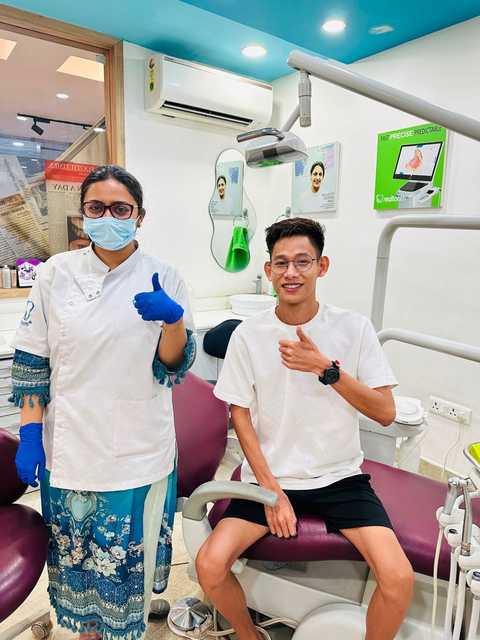
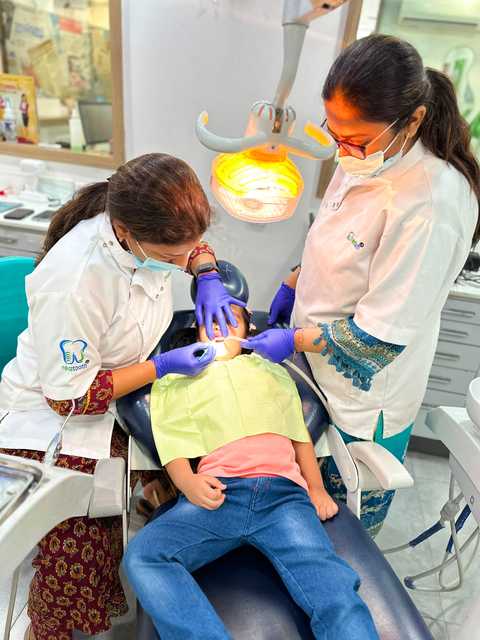
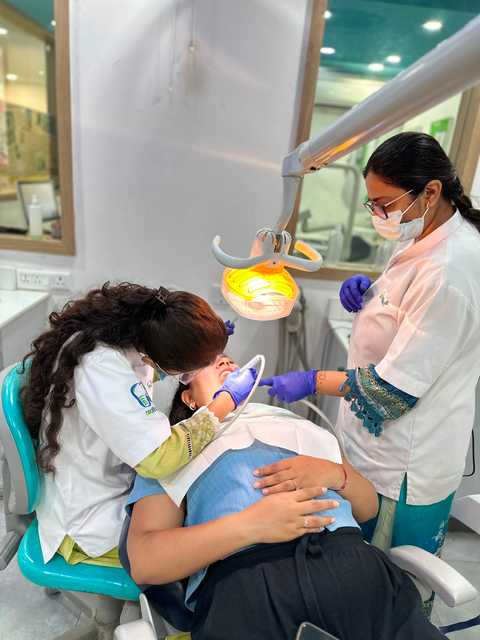
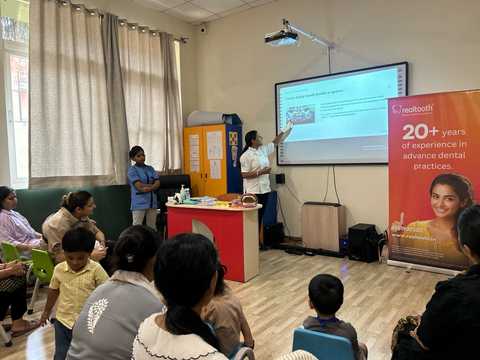
See examples of our Braces and Aligners work and results.
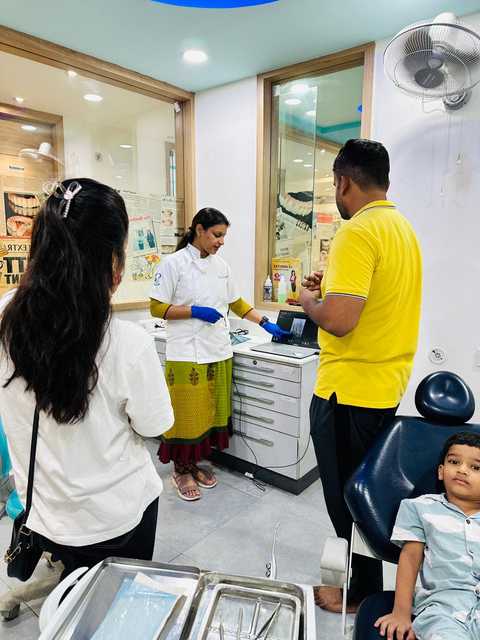
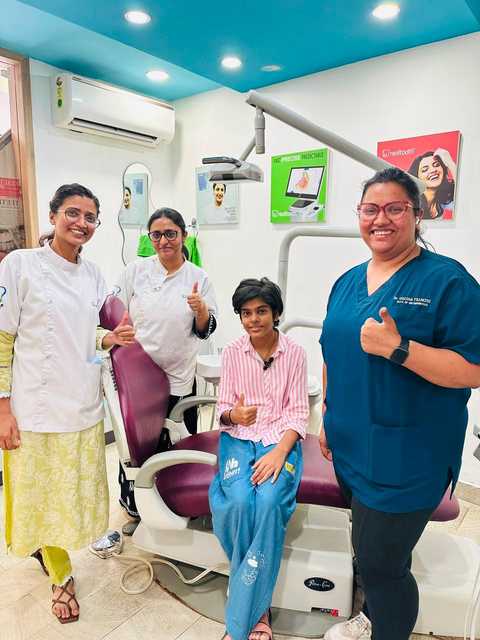
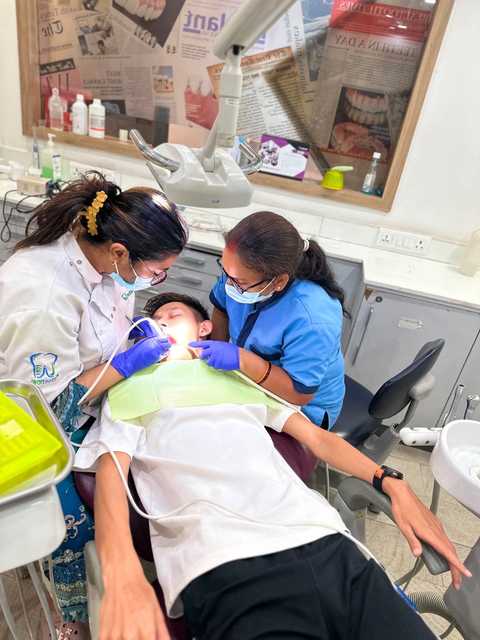
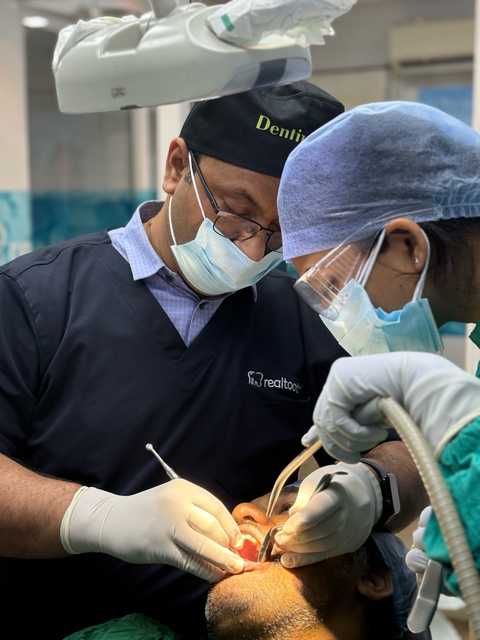













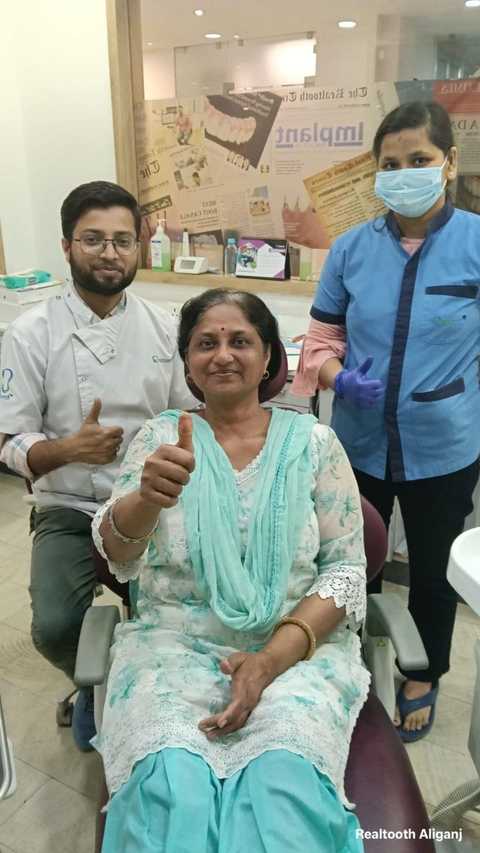

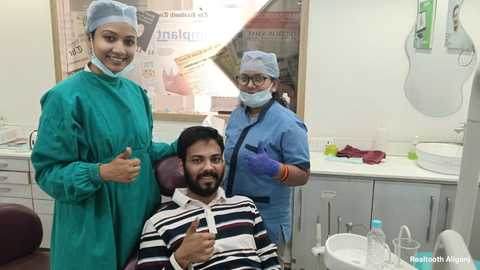
What Our Clients Say
$$MultiPurposeText$$
Read testimonials from our satisfied customers

Uneven teeth had always affected my confidence while smiling, but I kept delaying treatmen...more

From so long I wanted to correct my crowded teeth but was not comfortable with the idea of...more

My experience at Realtooth Dental Clinic was wonderful. The staff was courteous, the clini...more

Since childhood, my teeth were unaligned and my front teeth were slightly forward, but nei...more

Was planning to improve my smile through veneers from a long time but was not able to get ...more

Fixing a weak tooth had been pending for some time, and the crown treatment here was handl...more

Frequently Asked Questions
Get answers to common questions about Braces and Aligners.
Treatment time varies widely—most patients finish between 6 and 24 months. Simple cases with clear aligners can be faster, while complex bite corrections may require longer. Your orthodontist will estimate duration after assessment and tailor the plan for efficient, safe tooth movement.
Clear aligners are very effective for many adult cases, especially mild to moderate crowding and spacing. Traditional braces may be preferable for complex tooth rotations, severe bite issues, or certain movements. We'll recommend the best option after a personalized evaluation.
Most patients experience mild soreness for a few days after appliance placement or adjustments. Over-the-counter pain relievers, soft foods, and orthodontic wax help manage discomfort. Sensitivity typically decreases as your mouth adapts and aligners/braces progressively shift teeth into position.
Adjustment visits vary: braces commonly require visits every 4–8 weeks for wire changes and monitoring, while aligner patients often check in every 6–10 weeks or use remote monitoring. Frequency depends on treatment stage and individualized progress.
With braces, avoid sticky, hard, or chewy foods that can damage brackets and wires. Clear aligners are removable, so you can eat normally but must remove them for meals and clean teeth before reinserting to prevent staining and decay.
Insurance coverage and financing vary. Many plans offer partial orthodontic benefits, especially for children, while adult coverage is less common. We provide financing options, payment plans, and insurance assistance to help maximize benefits and make treatment affordable.