

Dental Crown Gallery
$$MultiPurposeText$$
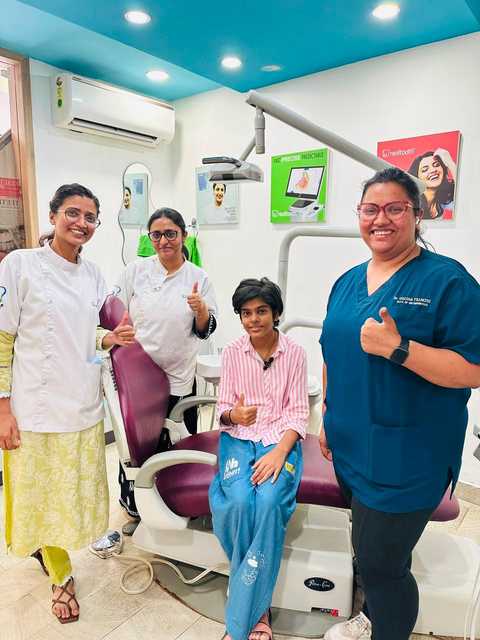
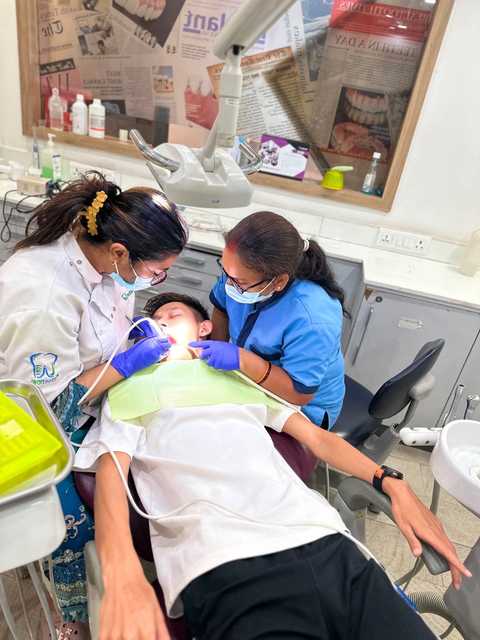
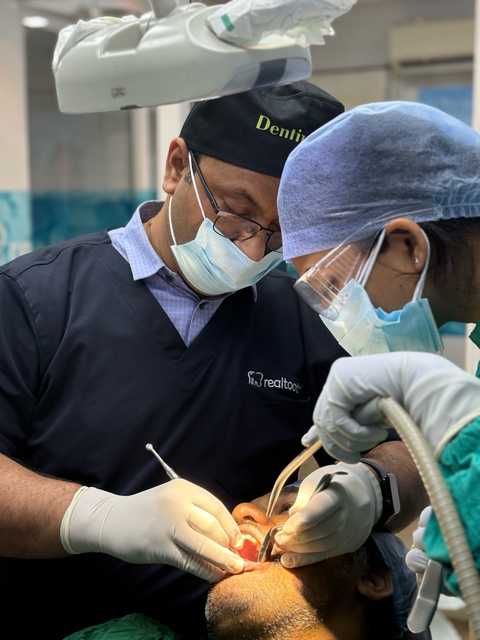
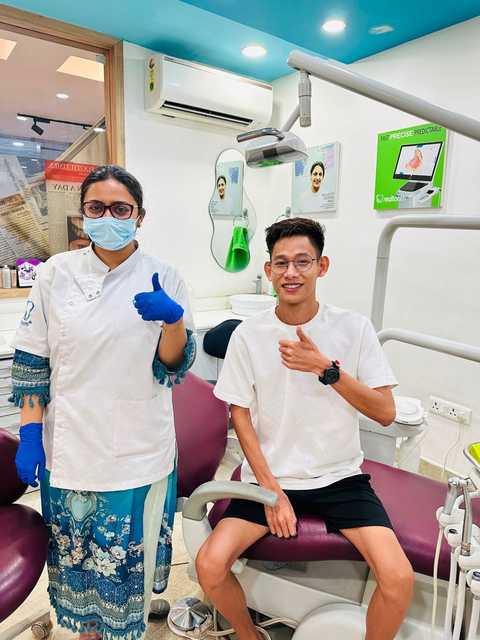
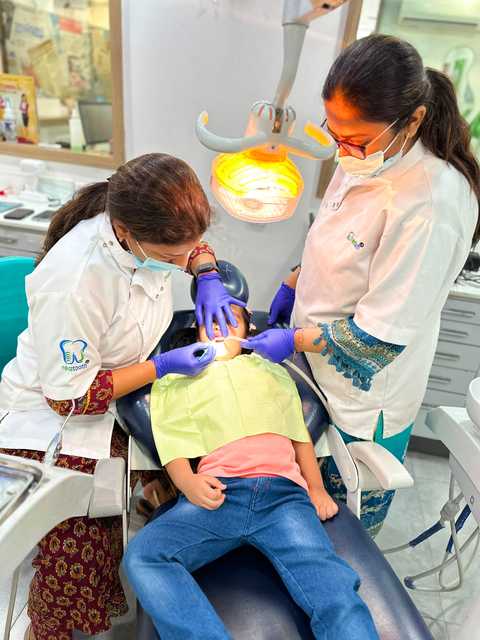
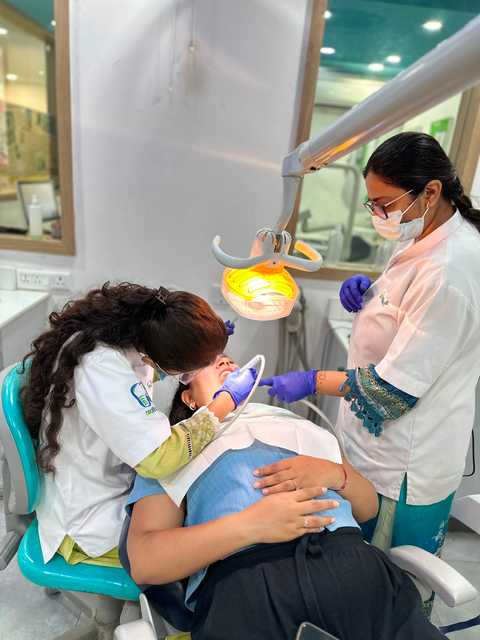
See examples of our Dental Crown work and results.














What Our Clients Say
$$MultiPurposeText$$
Read testimonials from our satisfied customers

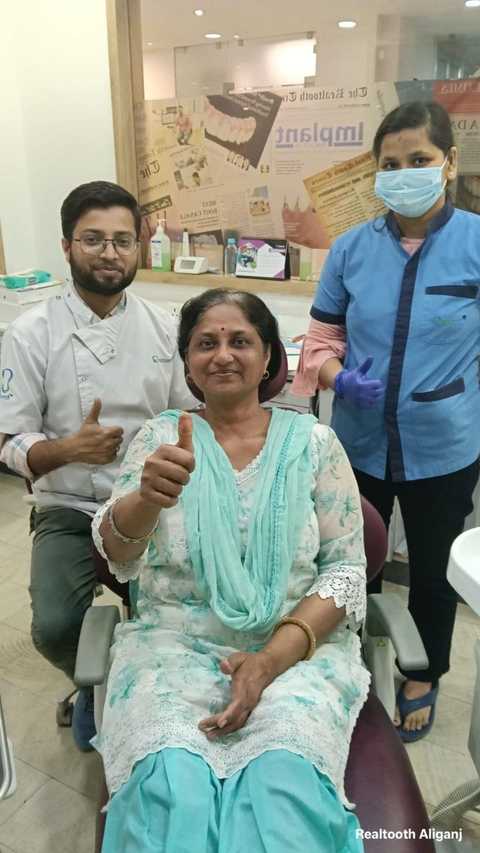
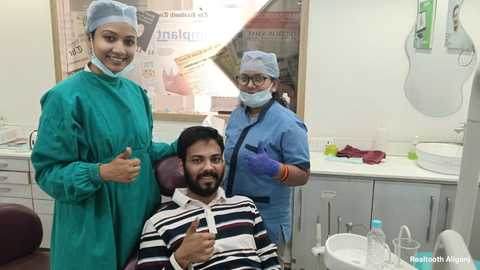
Uneven teeth had always affected my confidence while smiling, but I kept delaying treatmen...more

From so long I wanted to correct my crowded teeth but was not comfortable with the idea of...more

My experience at Realtooth Dental Clinic was wonderful. The staff was courteous, the clini...more

Since childhood, my teeth were unaligned and my front teeth were slightly forward, but nei...more

Was planning to improve my smile through veneers from a long time but was not able to get ...more

Fixing a weak tooth had been pending for some time, and the crown treatment here was handl...more

Frequently Asked Questions
Get answers to common questions about Dental Crown.
With good oral hygiene and regular check-ups, crowns commonly last 10–15 years or longer. Material affects lifespan—zirconia and E.max are very durable—while porcelain-fused-to-metal offers strength. Avoid hard foods and maintain dental visits to maximize longevity.
We offer ceramic (porcelain), high-strength zirconia, porcelain-fused-to-metal, and metal crowns, including E.max options. Your dentist will recommend the best material based on location, aesthetics, strength needs, and budget to ensure durable, natural-looking results.
Treatment is performed under local anesthesia, so patients feel minimal discomfort during preparation. Mild soreness is common for a few days after placement; over-the-counter pain relief and soft foods help. Contact us if pain persists or swelling occurs.
Yes. When tooth roots are healthy, crowns restore structure and function by capping the remaining tooth. They protect from further damage and prevent infection. Your dentist will assess root health and may perform root canal therapy first if necessary.
A bridge replaces one or more missing teeth by anchoring a replacement tooth to crowns on adjacent teeth, while a single crown caps and restores one damaged tooth. Bridges restore chewing function and appearance across a gap.
Expect minor sensitivity and avoid hard or sticky foods for 24–48 hours. Maintain excellent oral hygiene, floss carefully around the crown, and schedule follow-ups. Report persistent pain, looseness, or bite changes so we can adjust or repair the crown.