

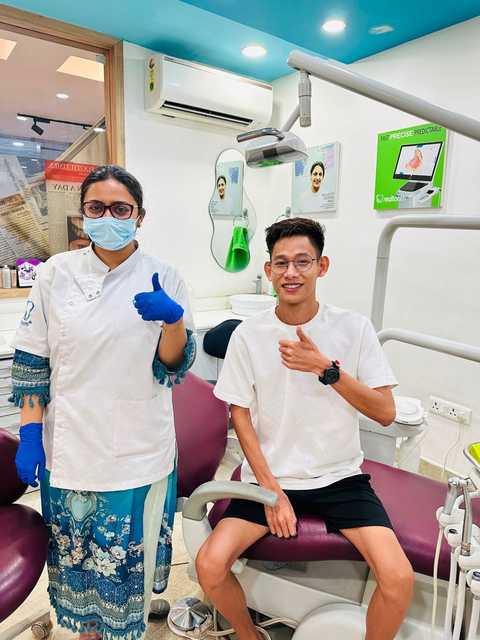
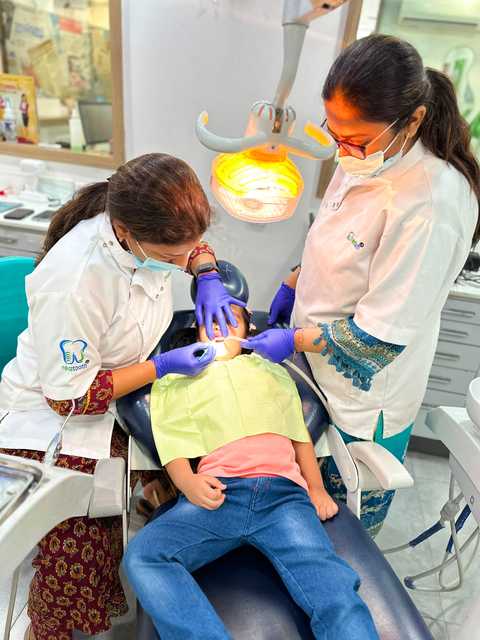
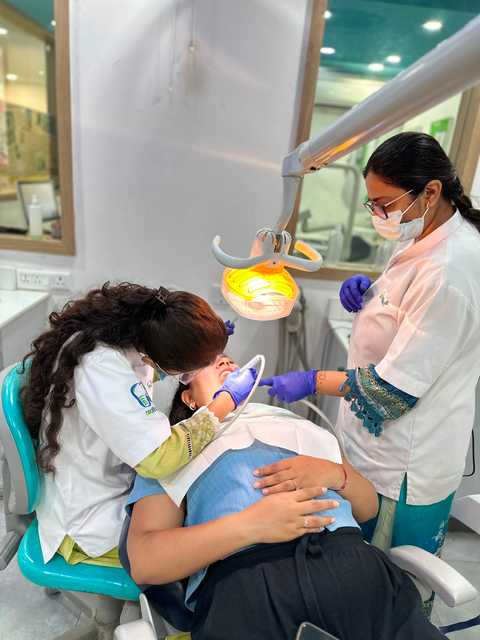
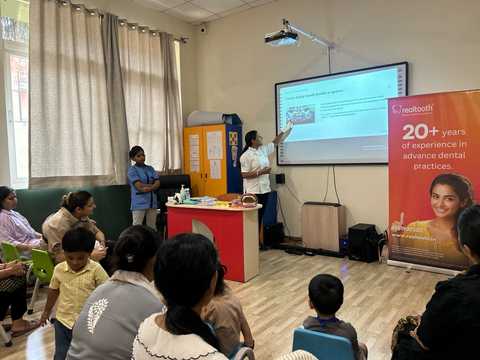
Oral Cancer Screeening Gallery
$$MultiPurposeText$$
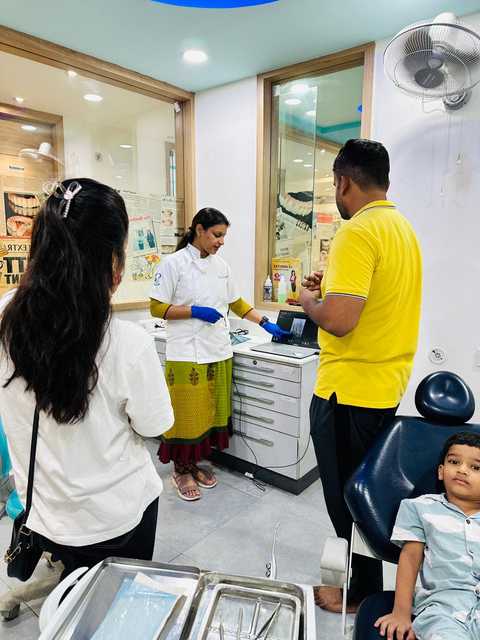
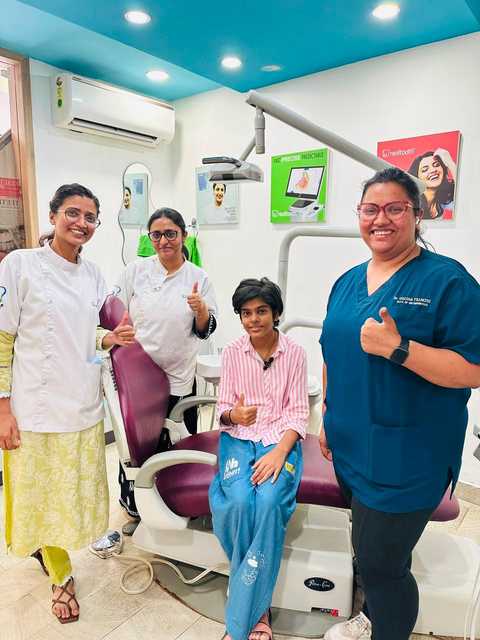
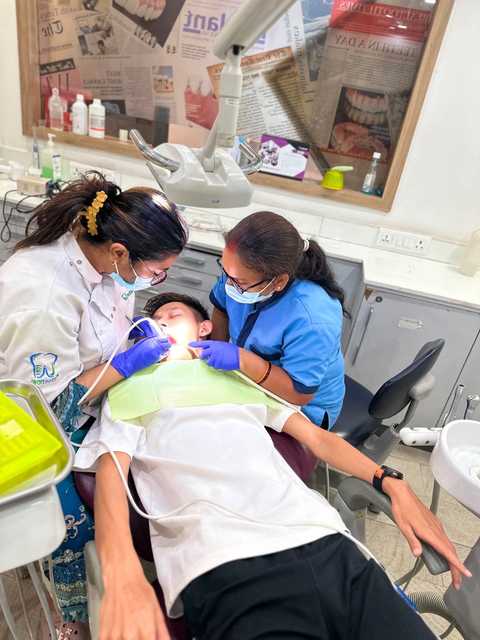
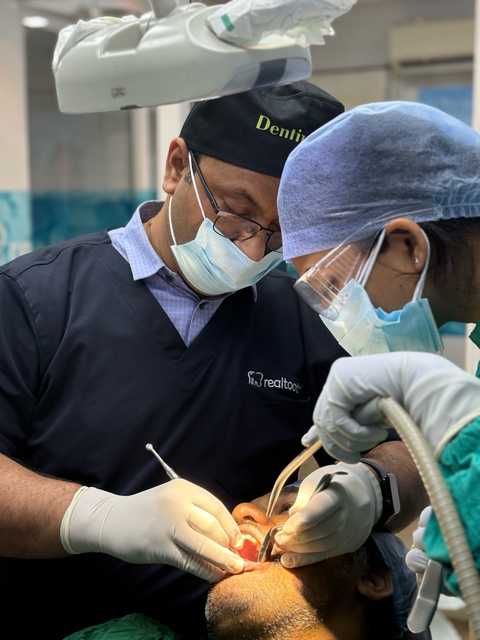
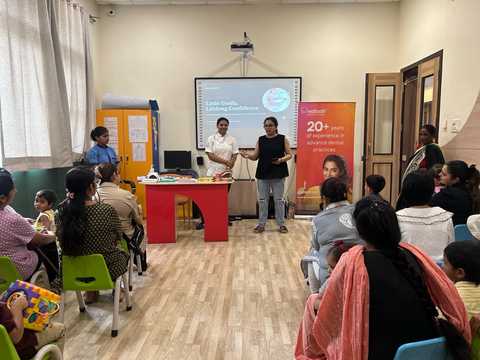
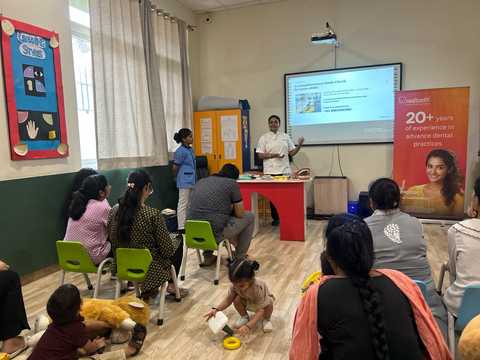
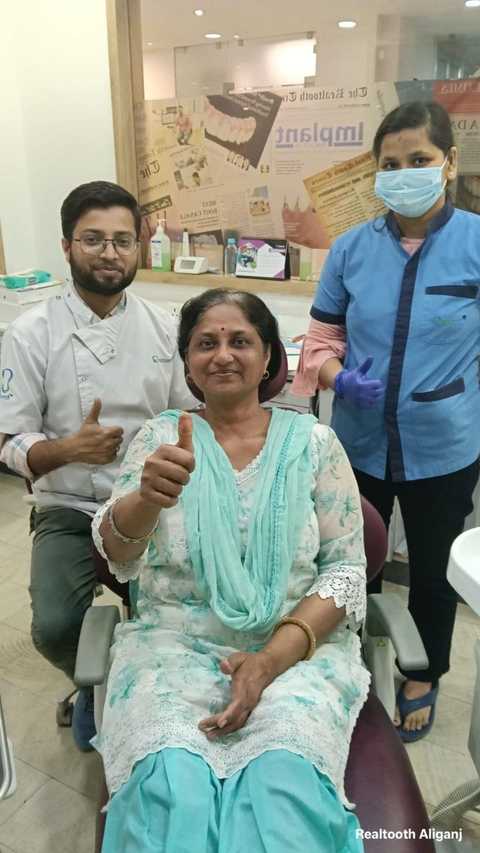
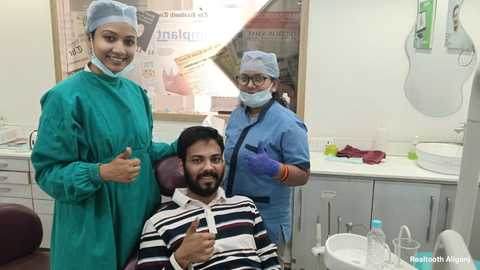
See examples of our Oral Cancer Screeening work and results.













What Our Clients Say
$$MultiPurposeText$$
Read testimonials from our satisfied customers

Never imagined that a root canal treatment. could be so smooth until my experience at Real...more

Replacing my missing tooth had been on my mind for years, but I wanted a permanent solutio...more

Managing multiple infected teeth had become a major concern because I was experiencing pai...more

Travelling from Lakhimpur to Lucknow for dental implant treatment felt like a big decision...more

While visiting Lucknow for work, I suddenly developed intense tooth pain and needed immedi...more

Living in California, I had access to many dental clinics, but after researching and speak...more

Frequently Asked Questions
Get answers to common questions about Oral Cancer Screeening.
During screening we examine lips, tongue, cheeks, and throat for lesions, pigmentation, or lumps. We use visual inspection and adjunctive tests as needed, document findings, and advise biopsy or specialist referral when suspicious changes are detected to ensure prompt treatment.
Most patients benefit from an annual screening; higher-risk individuals—smokers, heavy drinkers, or those with suspicious lesions—may need exams every three to six months. Your dentist will recommend frequency based on risk factors and clinical findings.
Screenings are typically quick and painless, mostly involving visual inspection and gentle palpation. Adjunctive light-based or brush biopsy tests may cause minor discomfort but are minimally invasive. Any recommended biopsy is performed under local anesthesia when necessary.
Major risks include tobacco use, heavy alcohol consumption, HPV infection, poor oral hygiene, and a history of previous oral lesions. Age and sun exposure (lips) also matter. Disclose habits and medical history to your dentist for accurate risk assessment.
If screening raises concern, treatment plans are adjusted in collaboration with oncologists. This may delay elective procedures, prioritize infection control, and include pre-treatment dental care or extractions to reduce complications during cancer therapy.
Realtooth documents findings, provides counseling, and arranges expedited referrals to oral surgeons or oncologists when needed. We maintain clear communication with specialists and track follow-up care to ensure timely diagnosis and coordinated treatment plans.